When Access Leads: Redefining the Ride at Durango Mesa Park
By Ann Marie Beresford
Executive Director, Adaptive Sports Association
For more than four decades, the Adaptive Sports Association (ASA) has worked to ensure that people with disabilities can access the same outdoor experiences that define life in Durango. From skiing and snowboarding at Purgatory Resort in the winter to rafting, climbing, cycling, and river trips in the summer, our programs are built around a simple idea: the outdoors should be for everyone.
That belief has always guided our programs, but too often access has depended on adapting to spaces that were not originally designed with inclusion in mind. Durango Mesa Park represents a real shift.
Building a Cycling Program for Everyone
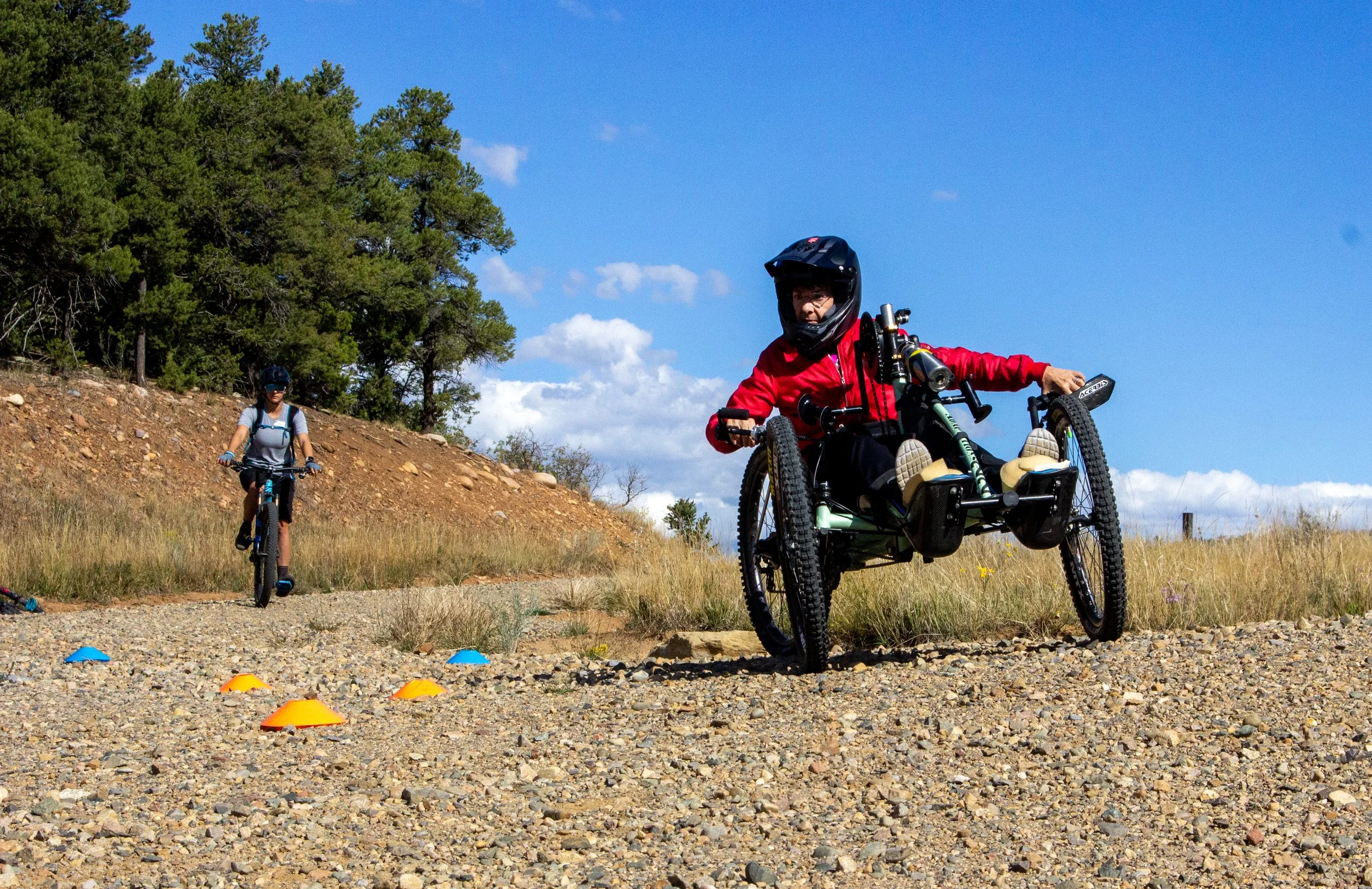
When ASA launched its cycling program in 2009, the goal was clear: create a place where everyone can be a cyclist. We built a fleet of adaptive bikes, including side-by-side tricycles, tandems, therapeutic trikes, and handcycles, and introduced participants to the freedom of movement many were experiencing for the first time. Riding on paved paths across the region, participants discovered independence, confidence, and joy.
The Challenge of Expanding to Soft Trails
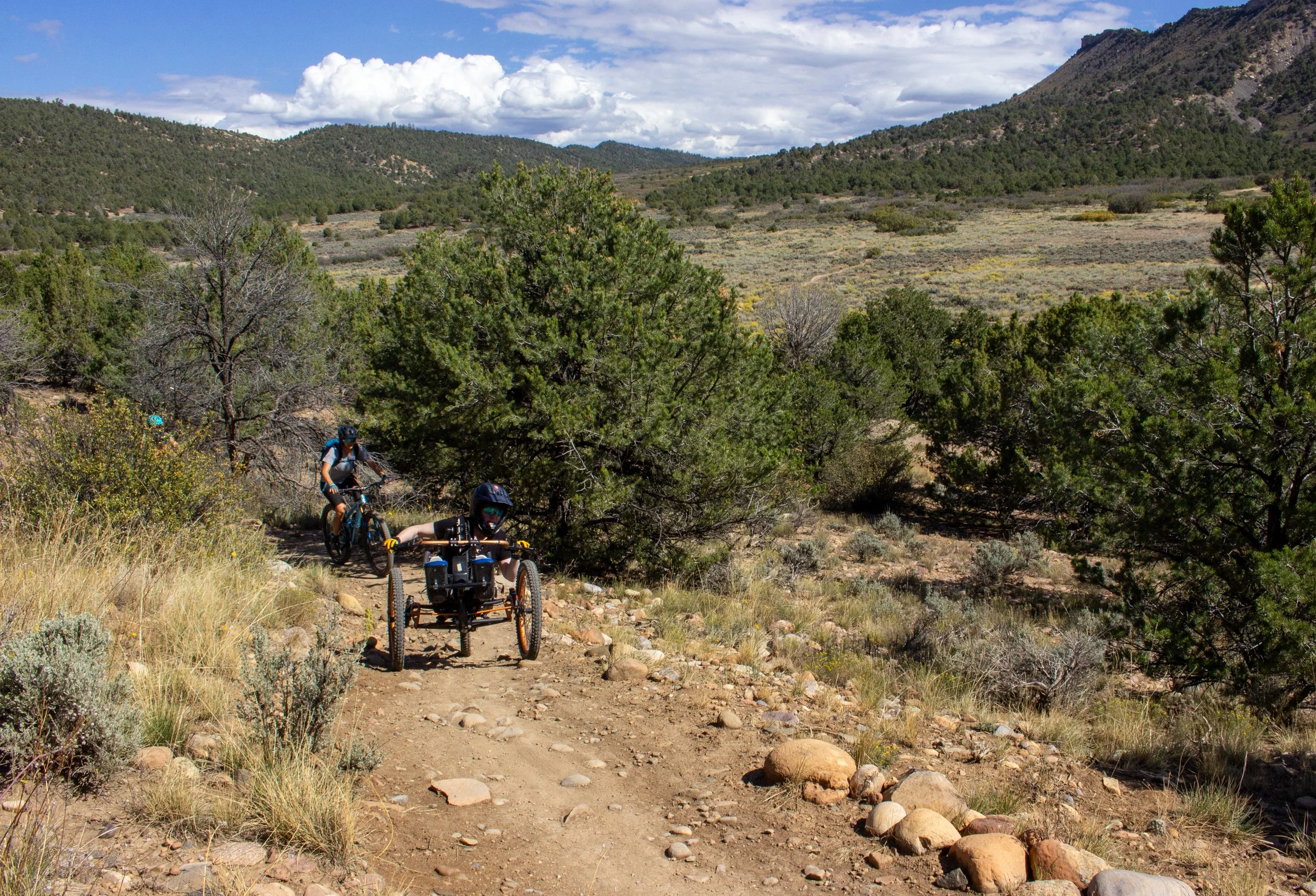
By 2020, we began exploring adaptive mountain biking and quickly ran into a challenge. Our existing trail systems were not designed for adaptive riders. Too often, narrow trails, tight turns, and steep terrain created barriers that limited or prevented access altogether.
Partnerships with organizations like Durango Trails have been essential in expanding access across existing trail systems, and that work continues as we look for more ways to increase access throughout our community.
Designing for Inclusion from the Start
What makes Durango Mesa Park different is that accessibility is not an afterthought. It is foundational.
From the earliest conversations around the bike park, we met a team that shared our belief that everyone can be a cyclist and could actually build it that way.
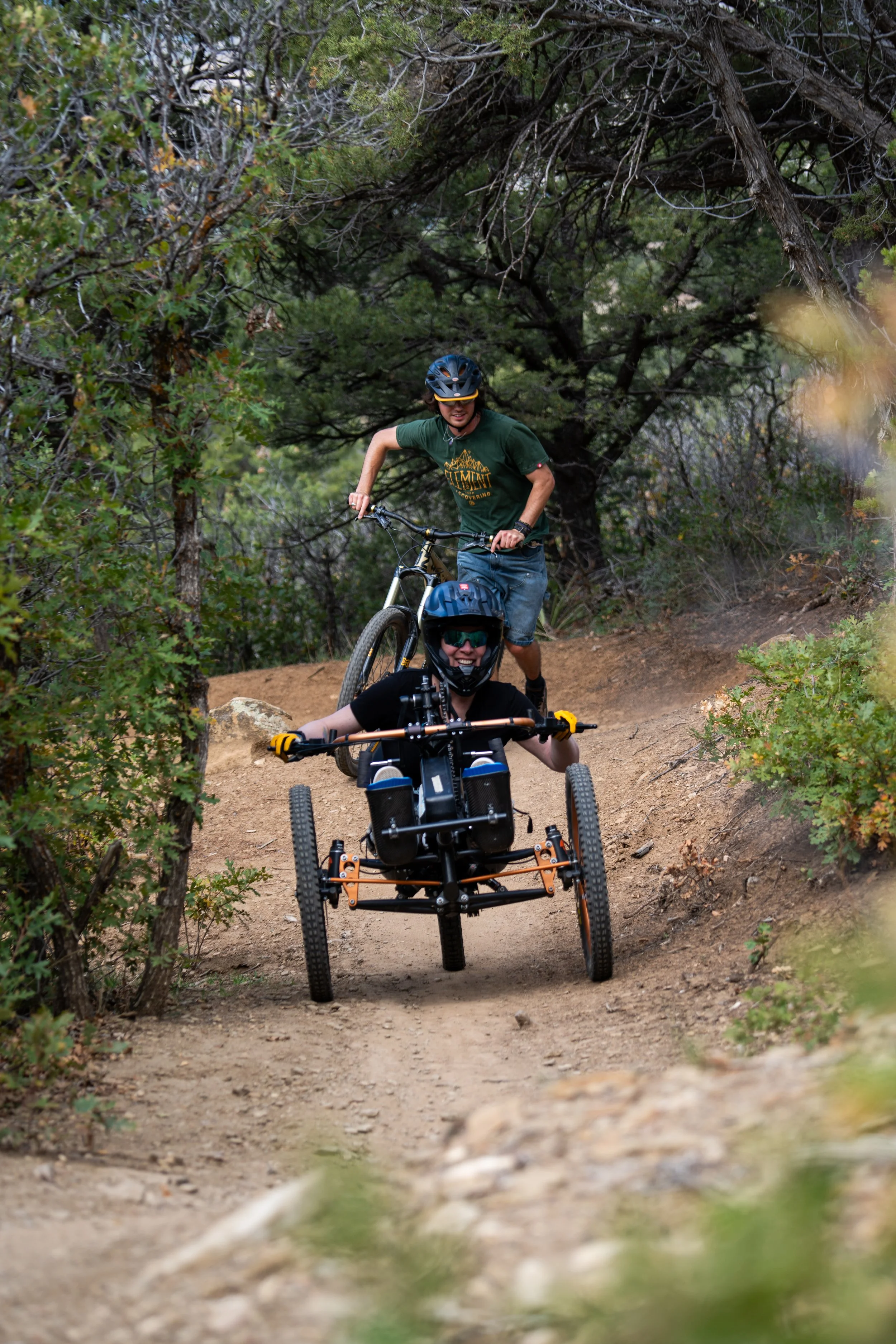
The green demonstration trail in the Gulch is a great example. Marked as adaptive capable, it often sparks curiosity. People ask, “That is an adaptive trail?” Yes, and it is also simply a great trail. It is fun, welcoming, and shared by riders of all abilities. That’s the point. You see it right away when riders come off that trail. When inclusivity leads design, the result is not separate experiences. It is simply a better experience for everyone.
Growing the Adaptive Mountain Biking Program
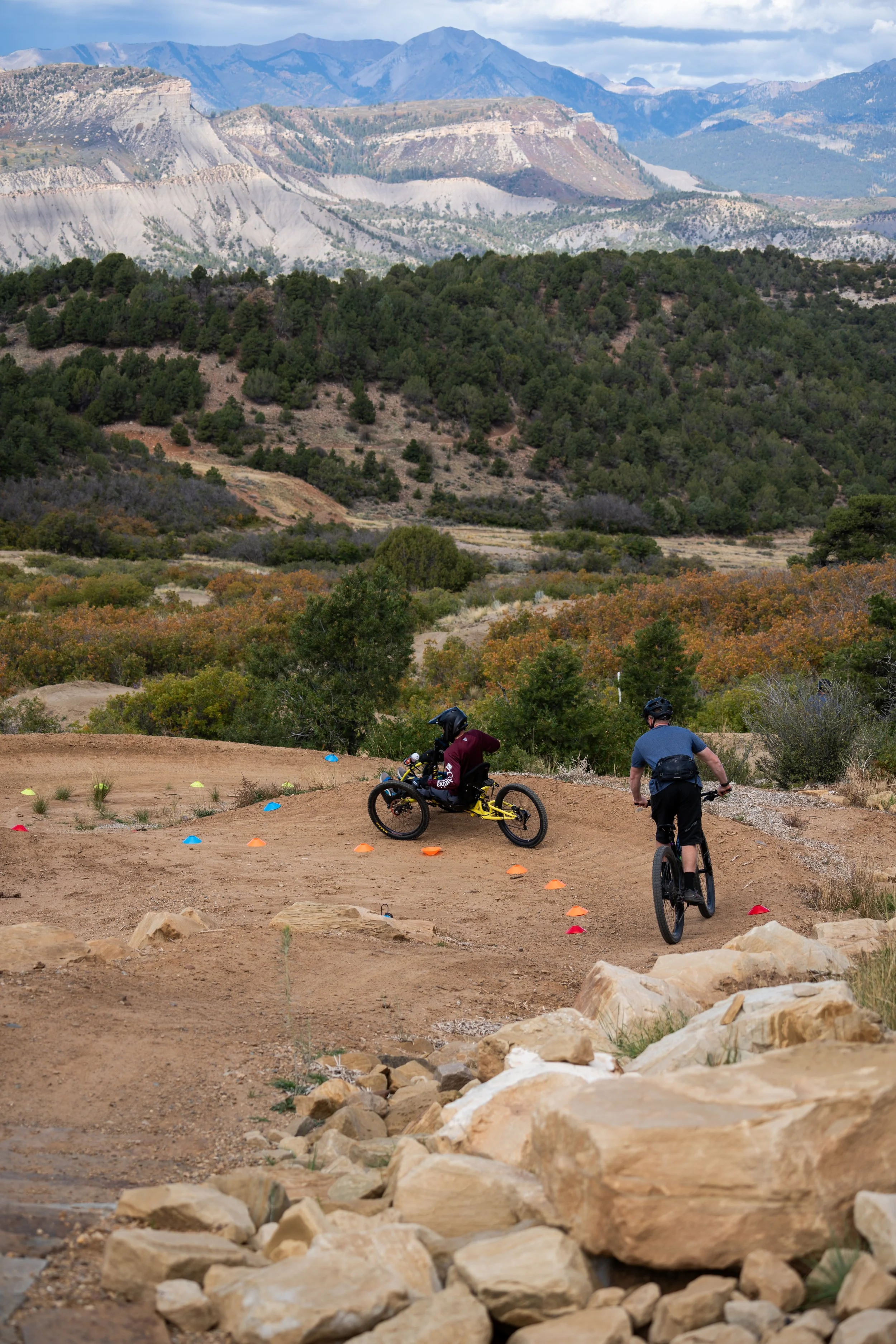
Today, ASA’s mountain biking program is growing rapidly. We host weekly rides for local adaptive cyclists, creating space to build skills, explore new terrain, and build community. Our multi-day Learn to Ride camps bring participants with physical disabilities from across the country to Durango for an immersive mountain bike skills camp, culminating in riding the purpose built trails at Durango Mesa Park. After a pilot program last season, we doubled our capacity for 2026 and are looking forward to continuing to grow this program in the years ahead. This year, applications still exceeded available spots by nearly five to one.
Shaping a More Inclusive Outdoors
Looking ahead, the impact will only deepen. Plans for an adaptive skills park at the base of the bike park will create a dedicated space for riders to build confidence before heading onto trails, expanding access, safety, and progression for even more participants.
Durango Mesa Park is helping change what is possible, not just in trail design, but in how communities think about access. When spaces are built with inclusion at the forefront, the benefits extend far beyond the physical environment. They shape who shows up, who feels welcome, and who gets to belong.
Because when everyone can be part of the experience, the outdoors becomes what it was always meant to be: a place for all of us.